
Omar Yaghi: The Muslim Nobel Laureate Turning Air into Water* *— Professor M. A. Barnik*
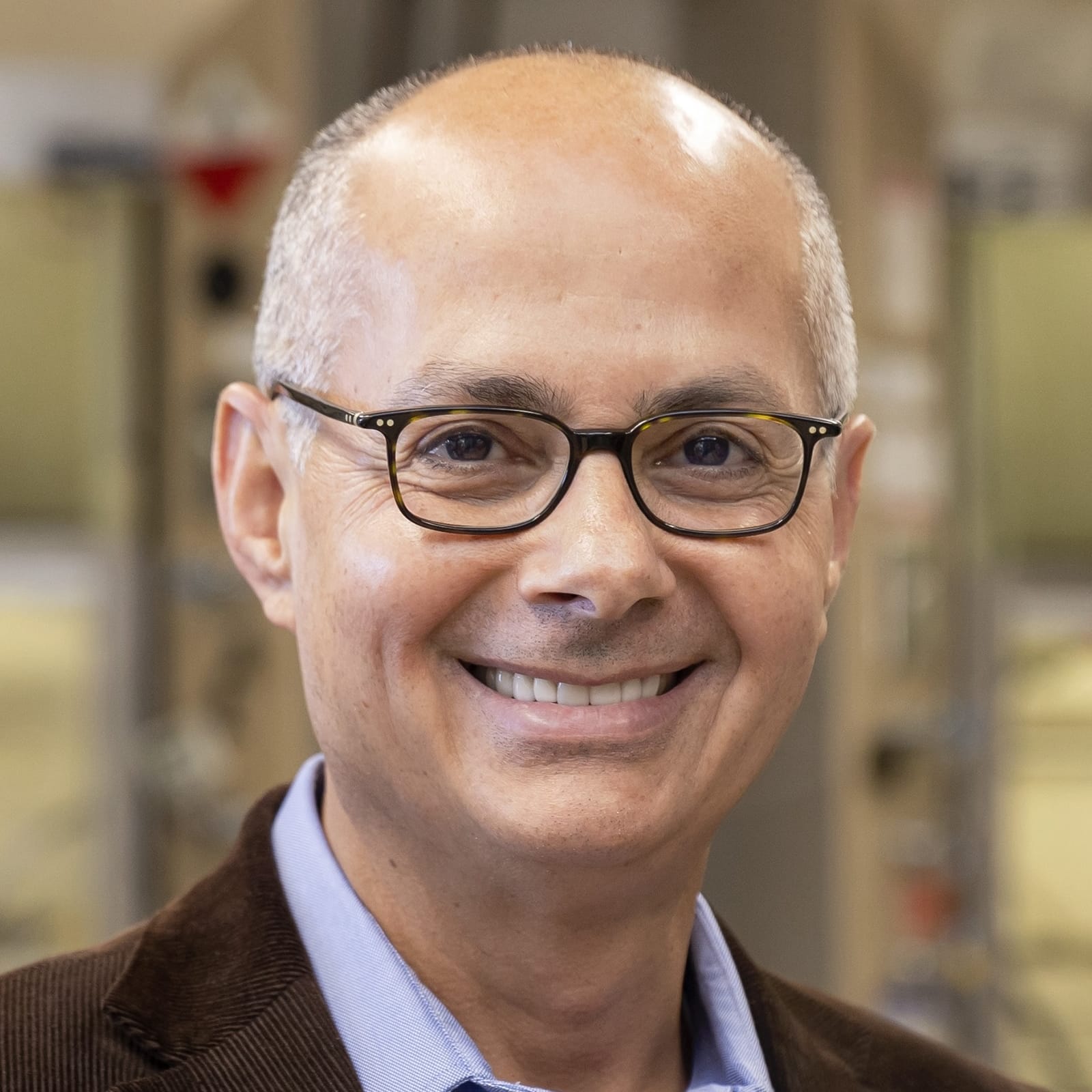 The sun stood over the desert like a ruler holding a fiery scepter. Waves of sand stretched endlessly in every direction, yet not a single drop of water could be found. In the eyes of a thirsty child, water was not merely a liquid—it was another name for hope itself.
That child's name was Omar Yaghi.
In his early years, he witnessed the sighs of people longing for water. He saw wells with parched mouths, rivers reduced to skeletal remains, and humanity's helpless surrender before thirst. Little did he know then that one day he would unveil to the world the hidden droplets of water concealed within the invisible folds of the air.
People usually look toward the sky and wait for rain. But Omar Yaghi seemed to challenge the heavens with a question:
"If you refuse to send rain, can I not bring water from your very air?"
It was a daring question, almost synonymous with impossibility. Yet those who write new chapters in history do not see the impossible as a dictionary word; they see it as a challenge.
Year after year, sleepless nights passed in the laboratory. It was as if he had entered into an invisible dialogue with chemical compounds. At last, he developed an extraordinary class of materials known as Metal-Organic Frameworks (MOFs). Their microscopic pores resembled invisible fishing nets capable of capturing water vapor drifting through the atmosphere.
At that moment, science transformed into poetry.
The air, once an elusive wanderer, began to surrender the droplets hidden within its breast. Under the gentle warmth of sunlight, the trapped vapor condensed into pure, drinkable water.
It was as though an invisible spring had suddenly emerged in the heart of the desert.
The world watched in astonishment.
Where others drilled deep into the earth in search of water, one scientist discovered a reservoir within the air itself. It seemed as if nature had hidden a secret treasure for centuries, and Omar Yaghi had uncovered its map.
Then came the day of recognition.
The world's highest scientific honor—the Nobel Prize—found its way into his hands. In that moment, it felt as though the thirsty child of the desert had climbed the staircase of time and placed a new jewel upon the crown of humanity.
The Nobel medal was no longer merely a piece of metal; it had become a symbol of hope for millions.
Today, vast regions of the world are suffering from drought, climate change, and water scarcity. Rivers in many places appear weary like aging men, while lakes shrink like bodies afflicted by illness. At such a time, Omar Yaghi's invention arrives as a message of a new dawn for human civilization.
For generations, we knew air only as the medium through which we breathe. He proved that air can also be a reservoir of water.
His life teaches us that when a dream is dedicated to the welfare of humanity, it can give birth to rivers even amid desert sands. And when knowledge is devoted to serving people, science does not remain confined within the walls of laboratories; it becomes a cup of pure water placed into the hands of a thirsty world.
Thus, the story of Omar Yaghi is not merely the success story of a Muslim scientist. It is a hymn to humanity, an epic of perseverance, and a testament to an eternal truth:
“The person who dreams looks toward the sky; but the person who believes can bring water even from the air of the heavens.”
স্বত্ব © ২০২৪ আলো নিউজ বিডি
 প্রিন্ট করুন
 সেভ করুন