
*Shadow Cabinet Formation in Bangladesh: A New Chapter in Opposition Political Culture* —Professor M A Barnik
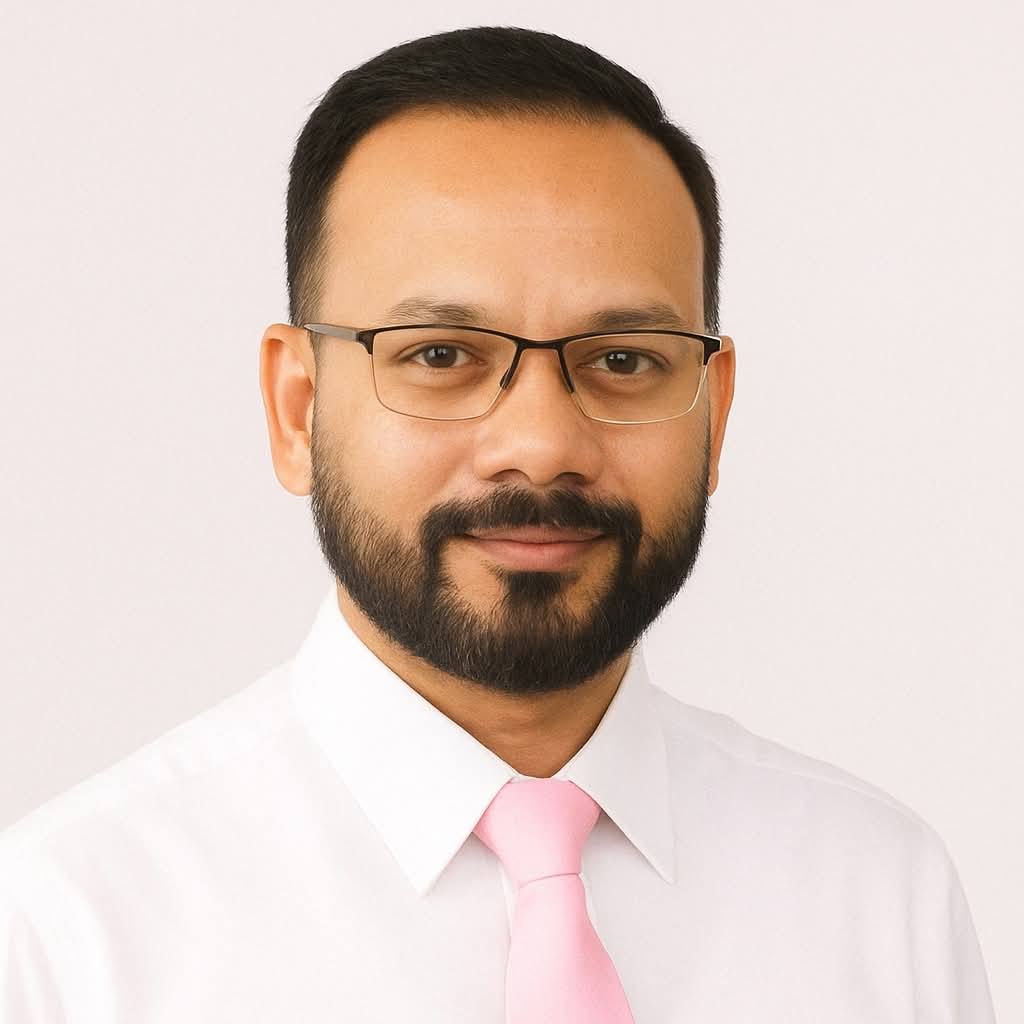 1. A New Political Arrangement-- "Shadow Cabinet":
The discussion on forming a possible Shadow Cabinet, aimed at establishing coordination among Bangladesh’s opposition political forces and fostering a responsible political culture, may open a new political horizon. In democratic states around the world, the Shadow Cabinet is considered one of the principal structures of effective opposition politics. If implemented, it may strengthen policy-based competition in Bangladesh’s politics instead of conflict, clashes, and violence.
2.What is a Shadow Cabinet in fact:
A Shadow Cabinet is an organized structure of the opposition party in which there is a “Shadow Minister” corresponding to each ministry of the government.
Main objectives---
(1) Regularly monitor the activities of the government,
(2) To present alternative policy proposals,
(3) To ensure effective debate in parliament,
(4) To maintain a prepared administrative structure upon assuming power,
(5) To build institutional opposition politics by reducing political conflict.
This system is mainly practiced in Westminster-style parliamentary democracies.
3.The United Kingdom’s Shadow Cabinet Model:
The most successful and historical example of the Shadow Cabinet can be seen in the United Kingdom. Here, the opposition party has constitutional recognition in parliamentary democracy.
Structure
The head of the opposition party is called the “Leader of the Opposition”
A Shadow Minister is appointed for each government ministry
Ensuring regular accountability in parliament
Political impact
Keeping the government accountable
Strengthening policy-based politics
Facilitating the process of transfer of power
Reducing political violence
In the United Kingdom, the opposition is never merely movement-oriented—they remain prepared as an alternative government.
3.Possible Impact in the Context of Bangladesh:
In Bangladesh’s political reality, if a Shadow Cabinet is formed through the coordination of 11 parties, the following changes may be observed:
(1). Conflict-free political culture:
Parliament-centered politics will be strengthened instead of street confrontations.
(2). Responsible opposition politics:
The opposition will not only protest—it will propose alternative policies.
(3). Strengthening the institutional power of democracy:
Political competition will be policy-based.
(4). Peaceful transfer of power:
Administrative vacuum during change of power will decrease.
(5). Reduction of political violence
Clashes, conflicts, and politics of retaliation may decline.
4.Possible Challenges:
However, there may also be some obstacles in implementation—
(1)Lack of political trust,
(2)Ideological divisions among parties,
(3)The question of constitutional recognition and
(4)The end of a long-standing conflict-oriented political culture.
In addressing these challenges
the formation of a possible Shadow Cabinet of 11 parties in Bangladesh is not merely a political strategy—
it may initiate a fundamental transformation of the country’s political culture. Established democratic states of the world have shown that a strong and organized opposition structure ensures government accountability, increases policy-based competition, and narrows the path of political violence.
5.The Beginning of Change in Political Culture:
If a Shadow Cabinet is effectively established in Bangladesh as well, an environment of political practice centered on reason, policy, and public welfare may emerge instead of street clashes, conflicts, and violence. As a result, the institutional strength of democracy will increase and a new horizon of responsible political culture will be opened.
In this way, a fundamental transformation of political culture will begin. Advanced democracies of the world have shown that a strong and organized opposition structure stabilizes democracy and narrows the path of political violence.
If this model is effectively implemented in Bangladesh, a new era of politics centered on policy, reason, and public welfare may be ushered in instead of street confrontations.
স্বত্ব © ২০২৪ আলো নিউজ বিডি
 প্রিন্ট করুন
 সেভ করুন