
The Blend of Night Paths and Protest Among Leaders Disillusioned with Dr. Yunus’s Declaration— Professor M. A. Barnik
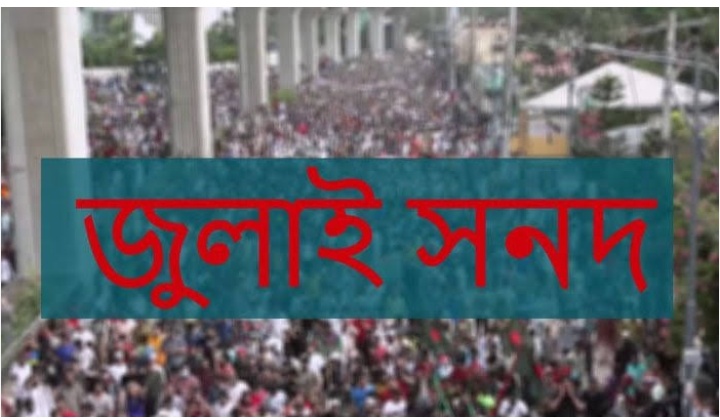 1. Background: The “July Declaration” and Leaders’ Discontent
On August 5, 2025, marking the anniversary of the “July Uprising 2024,” Chief Adviser Dr. Muhammad Yunus delivered an important “July Declaration,” containing a firm pledge to establish a fascism-free, egalitarian, and democratic Bangladesh.
However, some NCP leaders—such as Joint Organiser Hasnat Abdullah—reacted by calling the declaration “incomplete” and accusing it of “ignoring the views of the leadership, martyrs, and the injured.” They believe the declaration failed to consider the voices of the people who made significant contributions to the struggle and upheld its core aspirations.
2. The Show-Cause Situation and “Silent Protest”
The NCP Central Committee issued show-cause notices to these leaders because, on the historic date of August 5, they travelled to Cox’s Bazar for a personal trip without attending meetings or seeking permission.
In his reply, Hasnat Abdullah wrote on his Facebook page that his trip was a form of “silent protest,” undertaken out of political and moral responsibility at that time.
3. Reflection of the Current Movement: Silence and Distance
“Silent protest” is not just a phrase; it has become a subtle—but powerful—form of dissent in the muddy, stagnant political landscape. This NCP leader chose this path of protest to highlight issues such as:
The absence of leadership, martyrs, and the injured from the declaration process;
Reliance on future governments for constitutional reform rather than taking immediate, decisive measures.
Their stance reveals two things:
A desire for a primary cleansing of the movement’s spirit, keeping the deeper aims of the uprising in focus;
A fracture in party discipline—the Cox’s Bazar trip serving as a veiled act of dissent.
4. Review and Direction
This incident brings two main points into focus:
On one side, the leaders’ direct doubts about the declaration and its failure to uphold the pledge for reform;
On the other, the emphasis on party discipline.
The core question is: How can historical struggle and party leadership build a bridge across this divide? How can a balance between movement ideals and political power be maintained?
---
Conclusion
This “silent protest” is not the safest path, yet it signals both grievance and expectation. When, within the NCP, there is a perception that the spirit of the “July Uprising” is being obstructed on the road to full realisation, the fundamental framework of resistance—based on equality, justice, and democratic reform—must be rebuilt, perhaps in a different form from old party bonds.
The practical combination of an acceptable explanation of protest, restructuring of party organisation, and renewed commitment—these three together can provide the strength needed to reclaim the glory of democratic history.
---
স্বত্ব © ২০২৪ আলো নিউজ বিডি
 প্রিন্ট করুন
 সেভ করুন