মঙ্গলবার, ১৩ অক্টোবর ২০২৬, ১১:২৯ পূর্বাহ্ন


1. The Silence of Bangabhaban:
Even the birds in the sky above Bangabhaban are silent these days.
As if they know—no call echoes from the heart of the state even when the palace windows are open.
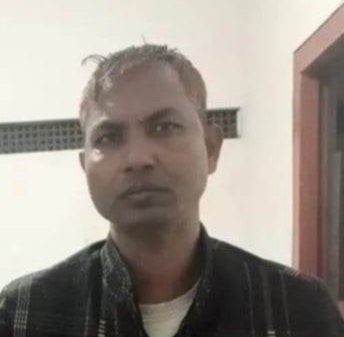
President Md. Shahabuddin Chuppu sits at the center of that silence—or perhaps one might say, as a silent sentinel of history, his days pass by in stillness.
It is often said that the President is the father of the state—his words should resonate in the heart of governance.
But this President’s words raise no echo; his pen writes no policy, and his silence lights no lamp within the machinery of state.
From the meeting rooms of the Prime Minister’s Office to the decisions of the Cabinet—everything continues in his absence.
His name now appears in official documents merely as ornamentation, like an ancient emblem of history—bright in color, but faded in meaning.
—
2. Solitary Luxury:
Inside Bangabhaban lies a palace of silence.
Softly lit lobbies, silk curtains, the muffled sound of footsteps beneath chandeliers—everything exists, except the pulse of the state.
In the heart of that hush sits Shahabuddin Chuppu—not a captive of the state, but of time itself.
He was denied permission to go abroad for medical treatment.
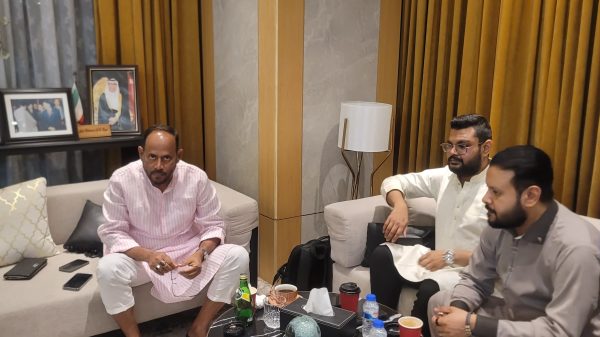
Yet within the palace, luxurious life continues—night banquets on silk-covered tables, quiet afternoons in cushioned chairs, silent solitude behind velvet curtains.
He seems not imprisoned by power, but by his own majestic stillness.
—
3. The Politics of Silence:
Political analysts say Shahabuddin Chuppu’s silence is not merely physical—it is political, and it has etched a question mark at the heart of the republic.
A President’s duty is not limited to ceremonial signatures; he is meant to embody the conscience of the nation, the reflection of state dignity.
But that reflection now seems lost in a fogged mirror.
A political scientist remarked,
> “According to the Constitution of Bangladesh, the President’s role was meant to be neutral and balancing. But today, the President is merely a symbol—a symbol that neither speaks nor questions, only sits in silence.”
Even at national ceremonies he is rarely seen.
Independence Day, Martyrs’ Day, or Victory Day—his absence from all of them has become an invisible reality.
—
4. The Lonely Poetry of a Palace:
If the walls of Bangabhaban could speak, they might say, “We have witnessed luxury, not responsibility.”
The clocks inside tick each day, yet the time of the state stands still.
Roses bloom in the garden, but state policy withers away like dry leaves.
The President’s life now resembles a royal tale—its hero lonely, its audience absent, its drama ended before the curtain falls.
—
5. The Question of Existence:
A President who takes no part in decisions, offers no counsel, joins no discussions—does his presence or absence make any difference to the state?
The question is now not only political but philosophical.
A senior analyst quipped,
> “In Bangladesh, the President has become the republic’s ‘silent symbol.’ He exists, yet he does not—like a moon seen in the sky that fails to light the earth.”
—
6. The Mirror of a Silent State:
When the doors of Bangabhaban close, the realities of the nation remain outside—public questions, bureaucratic bustle, political frenzy.
Inside sits a President who listens but does not speak, knows but does not act.
Shahabuddin Chuppu’s current position seems a metaphor for Bangladesh’s state system—where office exists without responsibility, prestige without influence, and a name without a voice.
—
7. Living in Silence:
The President has become the silent emblem of the state machine—a portrait of luxurious solitude, seated in the palace of history yet untouched by the pulse of the republic.
Bangabhaban now resembles a gilded cage holding a bird that has forgotten its song, unable to fly, living on—silently, under glittering light.

সম্পাদক আল মাহদী; উপদেষ্টা সম্পাদক আল ফাতাহ হাবিবুল্লাহ
ঠিকানা : সাংবাদিক ভবন, বাসা নং ২২১/২২২ রোড়ঃ ৩৫ ব্লকঃ ট সেকশন নং- ৬ রূপনগর মিরপুর ঢাকা-১২১৬।