বুধবার, ২৩ সেপ্টেম্বর ২০২৬, ০৩:১০ পূর্বাহ্ন

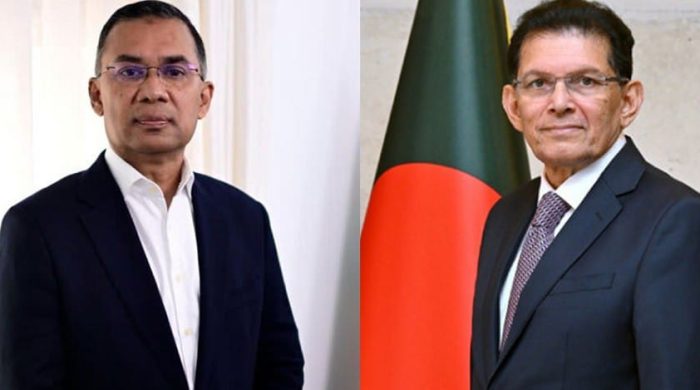

The important roles played by two distinguished individuals from Bangladesh at the session of the United Nations General Assembly have added a new dimension to the country’s diplomatic and international standing. Dr. Khalilur Rahman’s presidency and Tarique Rahman’s speech—both events carry messages of dignity, potential, and expectations for Bangladesh.
Presiding over an international forum as a representative of a country is undoubtedly a matter of great honor. It is not merely a personal achievement; rather, it also reflects the country’s diplomatic acceptability, leadership capacity, and active role in global issues. Dr. Khalilur Rahman’s presidency may be regarded as an indication of the international community’s confidence in Bangladesh. However, the true significance of this confidence depends on how Bangladesh utilizes its priorities, policy positions, and negotiating capabilities in multilateral diplomacy. The prestige of the presidency becomes an effective diplomatic asset only when it creates opportunities to influence the agenda of discussions, build alliances, and secure support for national interests.
On the other hand, Tarique Rahman’s speech has created an important opportunity to present Bangladesh’s political, economic, and social realities before an international audience. Such a platform is immensely important for articulating Bangladesh’s position on issues such as climate change, development, democracy, human rights, migration, and global peace. However, the value of an international speech lies not merely in the language or emotion of the address; rather, it depends on the credibility and factual basis of the claims presented, as well as their consistency with implementable policies. If there is visible consistency between Bangladesh’s domestic realities and its international commitments, the speech can create diplomatic impact; otherwise, it risks remaining merely a formal statement.
For a developing country like Bangladesh, a visible presence on the United Nations stage can bring not only symbolic recognition but also tangible diplomatic benefits. Such a presence can play an effective role in increasing international cooperation, attracting investment, strengthening demands for climate financing, and improving multilateral relations. At the same time, it can create opportunities to mobilize international support for specific national interests such as the Rohingya crisis, trade preferences, the rights of migrant workers, food and energy security, and technology transfer. However, to capitalize on these possibilities, sustained diplomatic engagement, skilled negotiation, and follow-up coordination with relevant countries and organizations are essential alongside symbolic visibility.
However, to transform this achievement into a long-term success, it is essential to coordinate speeches and leadership with concrete actions. To further strengthen Bangladesh’s image on the international stage, there is a need to ensure good governance, democratic institutions, human rights, and economic stability within the country. This is because a country’s international acceptability is ultimately deeply connected with its domestic system of governance, consistency of policies, and actual record of protecting citizens’ rights. At the same time, foreign policy should be guided by national consensus, professional diplomacy, and a long-term strategy rather than party-based or personality-centered promotion.
Overall, Dr. Khalilur Rahman’s presidency and Tarique Rahman’s speech have presented Bangladesh’s international identity and diplomatic significance in a new light. This is a matter of pride for the country, while at the same time creating expectations for a more responsible, transparent, realistic, and strategic role in future leadership and policymaking.

সম্পাদক আল মাহদী; উপদেষ্টা সম্পাদক আল ফাতাহ হাবিবুল্লাহ
ঠিকানা : সাংবাদিক ভবন, বাসা নং ২২১/২২২ রোড়ঃ ৩৫ ব্লকঃ ট সেকশন নং- ৬ রূপনগর মিরপুর ঢাকা-১২১৬।