মঙ্গলবার, ০৩ নভেম্বর ২০২৬, ১০:২৩ অপরাহ্ন

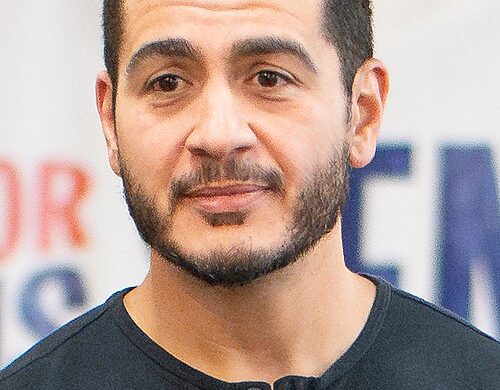

The 2026 midterm Senate election in the state of Michigan has attracted considerable international attention. At the centre of the discussion is Abdul El-Sayed, the Democratic Party’s candidate. If elected, he will earn the distinction of becoming the first Muslim U.S. Senator in American history.
**Political Rise and Background**
Born in Michigan to Egyptian-origin parents, Abdul El-Sayed is a physician by profession and a public health expert. He pursued higher education at the University of Michigan, the University of Oxford, and Columbia University. He also served as Director of the Detroit Health Department. In 2018, he contested the Michigan gubernatorial election and emerged as a prominent figure in progressive politics. In 2026, he secured the Democratic Party’s nomination for the Senate election after defeating Haley Stevens in the party’s primary.
**Why Is He in the Spotlight?**
At the heart of El-Sayed’s political agenda are universal healthcare, reducing the cost of living, workers’ rights, narrowing economic inequality, and expanding social security. His progressive political stance has earned him support from sections of young voters, working-class communities, and Arab Americans.
In particular, his criticism of Israel’s military operations in Gaza and his support for the Palestinians’ right to self-determination have brought him into the international spotlight. He is also a critic of the established U.S. policy of providing military assistance to Israel. Consequently, differences have emerged between him and pro-Israel groups, as well as the moderate wing of the Democratic Party.
**Religious Identity and Political Controversy**
His Muslim identity has become a subject of various controversies during the election campaign. Some of his opponents have attempted to associate him with Islamist extremism. However, he has denied allegations of having links with the Muslim Brotherhood; there is no basis for treating these allegations as established facts.
It is worth noting that although Muslims have served as representatives in the U.S. Congress, no Muslim has yet been elected to the Senate. Therefore, an El-Sayed victory could mark a new chapter in the history of Muslim American political representation.
**Why Is the Michigan Election Important?**
His contest against Republican candidate Mike Rogers is not merely an electoral battle between two political parties; it is also an important test of America’s political polarisation, the representation of immigrant communities, and the future direction of U.S. policy in the Middle East.
The support of Arab American, Muslim, African American, working-class, and young voters in Michigan could play a decisive role in determining the election outcome. If he wins, his victory could not only mark a historic achievement as America’s first Muslim Senator but also strengthen the progressive wing of the Democratic Party.
**Conclusion**
In my assessment, Abdul El-Sayed’s electoral contest is not merely the ambition of a Muslim politician to become a Senator; it is also a test of America’s democratic values and pluralistic social system.
A citizen’s political competence should not be judged by religion, race, or ancestry, but rather by merit, integrity, political philosophy, and commitment to the people.
Whether El-Sayed wins or loses, his political rise has conveyed an important message to American politics: the true strength of democracy is not confined to majority rule; rather, its real success lies in ensuring the rights of minorities and equal political opportunities for all.
*( Author M. A. Barnik is a prominent
Political Analyst and a keen Geopolitical Observer)*

সম্পাদক আল মাহদী; উপদেষ্টা সম্পাদক আল ফাতাহ হাবিবুল্লাহ
ঠিকানা : সাংবাদিক ভবন, বাসা নং ২২১/২২২ রোড়ঃ ৩৫ ব্লকঃ ট সেকশন নং- ৬ রূপনগর মিরপুর ঢাকা-১২১৬।