বৃহস্পতিবার, ০৫ নভেম্বর ২০২৬, ০৫:৪৭ অপরাহ্ন

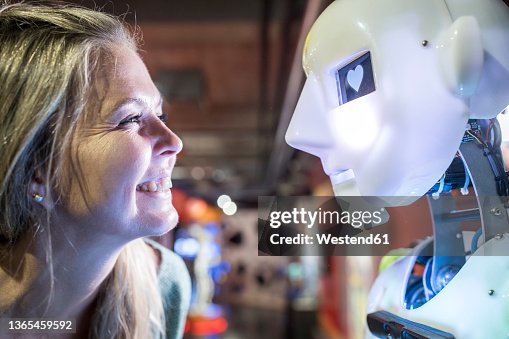

Imagine a husband returning home and saying, “I’m very tired today. Would you make me a cup of tea?” The robot wife responds with a sweet smile, “Of course, darling! Would you like less sugar or more?” No complaints, no resentment, no arguments, not even reminders of past mistakes! With the advancement of science, such a scenario is no longer merely a science-fiction fantasy. Artificial Intelligence (AI) and humanoid robot technology are opening up new possibilities for robots to become human companions.
**A New Discussion Emerging from China**
Chinese technology companies are already developing AI-powered robots capable of looking like humans, speaking, and displaying facial expressions. These robots can recognize human emotions and respond during conversations. Some models cost hundreds of thousands of dollars. As a result, the future “robot wife” is emerging not only as a technological marvel but also as a potentially expensive companion for the wealthy.
**What Do People Expect from a Robot Wife?**
The most attractive feature of a robot wife could be her uninterrupted attention. She will listen when you speak, comfort you when you feel sad, remember your birthday, and even speak according to your preferences. Perhaps the familiar resentment and minor arguments between husbands and wives will also disappear!
But is married life simply about living without complaints? When a wife stays awake all night caring for her sick husband, holds her child close to her heart, and sacrifices her own wishes for the happiness of her family—is it possible to imitate all these things through technology alone?
**New Questions for Family Life in Bangladesh**
Imagine someone spending several crore taka to purchase a robot wife and bringing her home. Relatives come to see her and ask, “Sister-in-law, how are you?” The robot replies, “Thank you, I am fine.” Although the scene may sound amusing, it raises some profound social questions.
Can a robot truly love? Does it have feelings of its own? Can it experience a mother’s affection, a wife’s sacrifice, or a parent’s sense of responsibility toward their children? Current technology has not provided affirmative answers to these questions.
On the other hand, there are also risks that personal conversations, family information, and private details may fall into the hands of technology companies.
**Let Technology Advance, but Let Families Survive**
Robots can help reduce human loneliness, provide companionship to elderly people, and assist with everyday tasks. However, replacing human family relationships will not be easy for them.
Because family life is not merely about living together; it is a human bond built on love, affection, resentment, forgiveness, responsibility, sacrifice, and mutual dependence. A wife’s little expressions of hurt, a husband’s quiet care, a child’s laughter, or the joy of sharing a meal with the entire family—these are the things that make life truly beautiful.
Finally, here is an amusing question: If a husband tells his wife, “A robot wife is better than you,” she might simply smile and reply, “Then go ahead and buy one, but you will have to pay the electricity bill and service charges yourself!”
May technology make our lives easier, but let it never take family love away from human hearts. **A robot may be able to offer companionship, but can it ever replace the affection, warmth, and emotional bonds of a family?**

সম্পাদক আল মাহদী; উপদেষ্টা সম্পাদক আল ফাতাহ হাবিবুল্লাহ
ঠিকানা : সাংবাদিক ভবন, বাসা নং ২২১/২২২ রোড়ঃ ৩৫ ব্লকঃ ট সেকশন নং- ৬ রূপনগর মিরপুর ঢাকা-১২১৬।