মঙ্গলবার, ১৩ অক্টোবর ২০২৬, ০২:৩৭ অপরাহ্ন

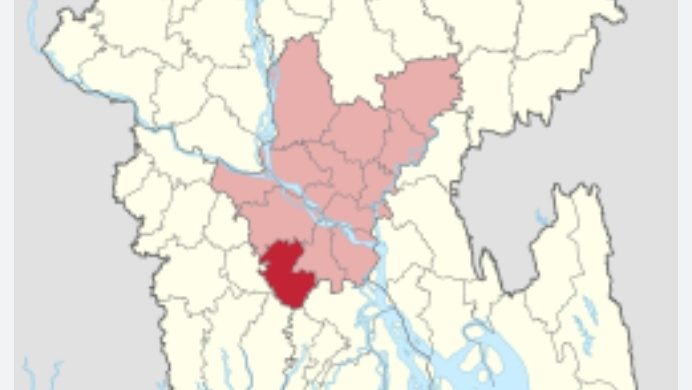

One of the most disgraceful chapters in the political history of Bangladesh is named Gopalganj. This area evolved into a cursed political center during Sheikh Hasina’s prolonged fascist rule. From here, state mechanisms were controlled, administrative favoritism was institutionalized, and the framework of resource inequality and repression was orchestrated.
More than just a political hub, Gopalganj became a symbol of geographic discrimination. Using taxpayers’ money, this district received an unnatural concentration of development projects, while other regions of the country were systematically neglected. Billions of taka were funneled into infrastructure, roads, medical and technological universities — all seemingly designed to glorify one family above the rest of the nation.
■ A Sanctuary for Predatory Loyalists
Gopalganj was not only the site of infrastructural favoritism — it turned into a safe haven for politically protected thuggery. Followers of Sheikh Hasina’s ruling party would often react violently to any form of dissent. The area became a kind of “secure jungle,” where justice was blocked, and violence under the shadow of power was normalized.
There are documented cases where dissenters in this region faced social boycott, physical abuse, and even targeted killings. During the July 2024 uprising, one of the most brutal state-led assaults took place right here — peaceful protesters were met with bullets and fire. Among them, Saeed Hossain became a symbolic martyr of the resistance.
■ Why “Saeedganj” Is Necessary
The name “Gopalganj” no longer simply denotes a geographic district — it has become a cultural emblem of injustice, repression, and fascism. Renaming it to “Saeedganj” is not merely symbolic — it is a moral demand to correct a historical distortion.
Saeed Hossain, the martyr of the July Uprising, is no longer just a fallen protester from Gopalganj — he is now a national symbol of resistance and equality. Naming this district after him would initiate a new identity — one without dynastic dominance, systemic favoritism, oppression, or violence. It would stand for democracy, equity, and reverence for sacrifice.
■ A Call for Renaming in the Spirit of July
The July 2024 Uprising was not only a political movement; it was a revolution of consciousness. Inspired by that awakening, it is now time to revise the historical errors that continue to define this country.
Gopalganj, once the emblem of authoritarian group interest, must now be recognized as “Shaheed Saeedganj.” This change is not only just — it is urgent and inevitable.
It would serve as a tribute to the martyrs, an end to institutional inequality, and a bold step toward transforming Bangladesh into a truly democratic nation.

সম্পাদক আল মাহদী; উপদেষ্টা সম্পাদক আল ফাতাহ হাবিবুল্লাহ
ঠিকানা : সাংবাদিক ভবন, বাসা নং ২২১/২২২ রোড়ঃ ৩৫ ব্লকঃ ট সেকশন নং- ৬ রূপনগর মিরপুর ঢাকা-১২১৬।