মঙ্গলবার, ১৩ অক্টোবর ২০২৬, ০৯:০৩ পূর্বাহ্ন


1. Post-revolution expectations:
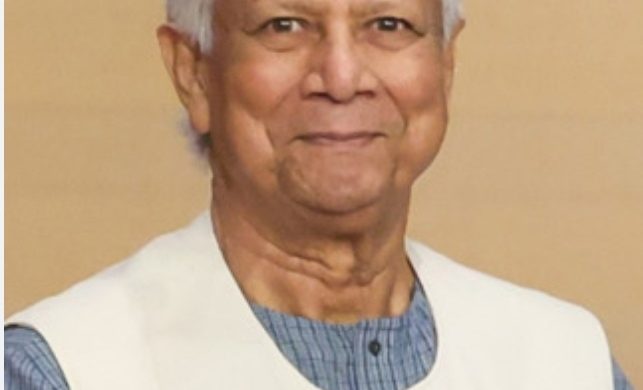
The July 2024 mass uprising was a turning point in the history of Bangladesh. After that blood-stained revolution, the people were waiting for the reconstruction of the state structure in a revolutionary spirit. The dream was—to uproot corruption, family rule, and autocracy, and to build a new Bangladesh. At that very moment appeared Nobel laureate Dr. Muhammad Yunus. The people’s expectation was—that he would become the architect of a new Bangladesh, the founder of a modern state system.
2. Lost opportunities:
But he failed to seize this historic opportunity. If, in the post-revolution period, he had taken bold steps to form a revolutionary government; if he had legitimized the uprising by holding a referendum and giving it both popular and legal basis; if he had gradually declared the July Charter, organized a Constituent Assembly election, and abolished family rule forever through the enactment of a new constitution—then Yunus might have become the father of Bangladesh’s “counter-reformation.”
Instead, he chose procrastination. Forming one commission after another, he spent more than a year filling the ledger of the National Consensus Commission. In the end, instead of implementing the promised restructuring of the state, he stepped back.
3. The erosion of revolutionary spirit:
In the past year, Dr. Yunus’s indecisive stance has slowly eroded people’s enthusiasm and aspirations.
The organized student and youth forces, who were the frontline soldiers of the July uprising, are today confused and disillusioned. They ask themselves—has the system they shed blood to change once again fallen into the hands of old political compromises?
The middle class, which saw the revolution as an opportunity for democratic reform, has grown frustrated with endless procrastination under commission-dependent governance.
The rural common people, who longed for an end to prolonged repression, are witnessing the resurgence of old parties—thus, the dream of a new state is gradually fading away.
In other words, what was once an awakened spirit is now in question, and Dr. Yunus in leadership cannot escape responsibility for this.
4. The dramatic compromise in London:
The situation took an even more dramatic turn. During a visit to London, he reached an understanding with BNP’s Acting Chairman Tarique Rahman. The result of this compromise was a joint declaration—through which the process of organizing the February 2026 election was set in motion. This agreement showed that the promise of post-revolutionary state restructuring was steadily being reduced to partisan compromises and the politics of electoral manipulation.
5. Politics of broken trust:
Though once regarded as the nation’s source of trust, this political somersault has shattered people’s confidence.
The families of the martyrs of the revolution believe that their sacrifices have been traded away at the table of political bargaining.
Idealistic student leaders lament in frustration that the call of revolution has been used merely to spin the wheel of power.
The international community too observes—that where Dr. Yunus had the opportunity to be a reformer, he has instead turned into a player of compromises.
6. Conclusion:
The opportunity to build the dreamed-of Bangladesh has been crushed in his own hands. The question now arises—he who could have been the architect of a new Bangladesh, will he end up being remembered in history only as a symbol of failure?

সম্পাদক আল মাহদী; উপদেষ্টা সম্পাদক আল ফাতাহ হাবিবুল্লাহ
ঠিকানা : সাংবাদিক ভবন, বাসা নং ২২১/২২২ রোড়ঃ ৩৫ ব্লকঃ ট সেকশন নং- ৬ রূপনগর মিরপুর ঢাকা-১২১৬।