মঙ্গলবার, ১৩ অক্টোবর ২০২৬, ১১:২১ পূর্বাহ্ন


The residential halls of the University of Dhaka are like waiting lamps in the darkness of night. Now, DUCSU has taken the initiative to light new flames in these lamps—the work to realize the dream of establishing an IT lab in every hall has begun. To set up separate labs for the students of all 18 halls, DUCSU has sent letters to the authorities.
This initiative is not merely about placing one or two computers within four walls; it is, in fact, creating a grand bridge of technology for students, one that will lead them out of the academic wilderness into the open arena of global competition. Each lab will be like a lighthouse washed ashore—guiding directionless students with the light of skill.
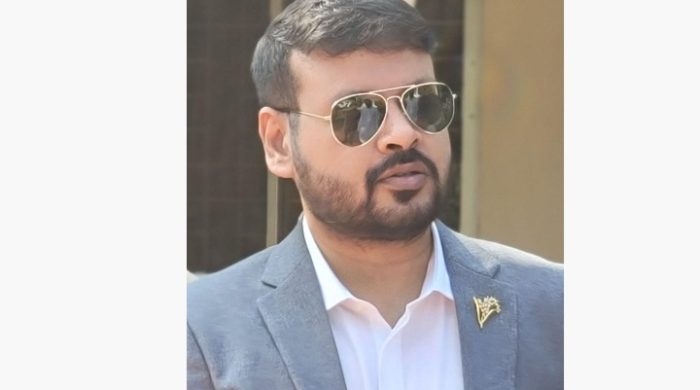
The dream envisioned by DUCSU’s Career Development Secretary, Md. Mazharul Islam—that every hall will become an IT and career center—is not just a statistic or a plan. It is a new destiny etched on the foreheads of the young generation. Just as a seed sprouts from the depth of the soil to reach the sky, so too is hidden within this initiative the dream of a nation’s advancement. By sending letters for separate labs in 18 halls and securing approval from the authorities, this dream is being transformed into a structured reality.
The pioneering steps of the newly victorious DUCSU remind us of those moments in history when the currents of change carried society to a new shore. Just as the first light of dawn bids farewell to darkness, DUCSU’s initiative is also clearing the suffocating stillness, letting the youth breathe in the pure air of technology.
DUCSU, run by the Shibir, wants to ignite the light of technology hall by hall in the University of Dhaka. Not only in Dhaka University, but if every educational institution in the country lights its own lamp with this light, then the whole of Bangladesh will become one vast campus—where the echoes of research, innovation, and creativity will resonate. Then, in every corner of society, “stars of skill” will be born, drawing the new map of Bangladesh with their own hands.
This initiative of the Shibir’s action plan is not just a lab—it is a workshop for the future. Here, every computer will be a tool, every software a wing, and every student a messenger of change. By sending letters and obtaining approval for 18 halls, these steps are gradually being implemented.
Just as a river changes villages and cities with its flow, DUCSU’s initiative will similarly reshape the map of society. The hopeful thing is, the youth are no longer mere spectators—they are now the builders. And it is through these hands of construction that a new dawn, a new Bangladesh, will come.
When the first lights of the labs shine in the halls of DU, the fate of a generation will change.
One provost said,
—“What we have dreamed of for decades, DUCSU is now putting on the path of realization.”
In the students’ eyes appeared the reflection of dawn—every click a key of possibility, every code a poem of creativity, every student a builder of the new Bangladesh.

সম্পাদক আল মাহদী; উপদেষ্টা সম্পাদক আল ফাতাহ হাবিবুল্লাহ
ঠিকানা : সাংবাদিক ভবন, বাসা নং ২২১/২২২ রোড়ঃ ৩৫ ব্লকঃ ট সেকশন নং- ৬ রূপনগর মিরপুর ঢাকা-১২১৬।