মঙ্গলবার, ১৩ অক্টোবর ২০২৬, ০৭:৫৬ পূর্বাহ্ন

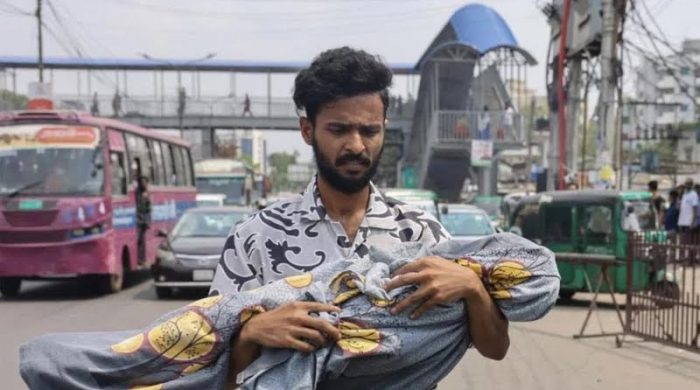

These days, a strange sound seems to drift across the skies of Bangladesh. It is neither the sound of a storm nor the roar of thunder. It is the cry of helpless parents, the silent agony of abused children, and the sighs of young lives fading away due to the lack of proper medical care.
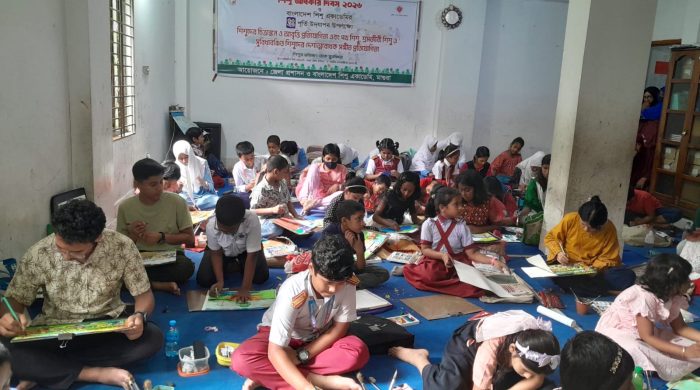
Every few days, newspaper pages appear stained with tragedy. Somewhere, a child is raped; elsewhere, a child falls victim to sexual violence or a brutal murder. In other places, children lose their lives on hospital verandas due to a lack of oxygen, essential medicines, or access to adequate medical treatment. The news is published, social media erupts, public outrage spreads, and protests emerge. Then, as usual, come official expressions of deep sorrow, sympathy, and announcements of financial assistance for the affected families.
Our state seems to have acquired a peculiar skill—becoming more adept at offering consolation after a tragedy than preventing the tragedy itself.
It often feels as though the fortress that should have been built to protect children has instead been decorated with banners of sympathy. Where vigilant guards should stand, vases filled with condolences have been placed.
A father sits on the steps of a courthouse clutching the photograph of his abused child. A mother remains speechless in a hospital corridor, embracing the lifeless body of her son or daughter. To them, words of sympathy are like a picture of rain in a desert—beautiful to look at, but incapable of quenching thirst.
We have reached a time in our society when speeches about children are more abundant than ever, yet visible improvements in their safety are scarcer than ever. At seminars and conferences, we hear the familiar phrase, “Children are the future of the nation.” But when that future is violated by predators, murdered by criminals, or lost to medical negligence and institutional failures, the statement begins to sound like a cruel joke.
Speaking of irony, an unusual tradition has taken root in our administrative culture. Whenever a tragic incident occurs, an investigation committee is formed. The committee submits a report; the report falls asleep inside a file; the file rests peacefully in a cabinet; and the public waits for the next tragedy. At times, it seems that the number of investigations, rather than the delivery of justice, has become the measure of success.
In cases of child abuse, we often hear the familiar promise: “Strict action will be taken against the perpetrators.” This phrase has been repeated so often that it now resembles a memorized line from an old play. Yet ordinary people continue to ask: Where are the results of these strict measures? Where is swift justice for the offenders? Where is the safe environment our children deserve?
The true identity of a civilized nation is not defined by towering bridges, gleaming buildings, or economic growth rates. It is measured by how safely its most vulnerable citizens can live. And who is more vulnerable, more deserving of protection, than a child?
Today, countless families in Bangladesh send their children to school with anxiety, allow them to play with fear, and take them to hospitals with apprehension. Such a reality cannot be considered the hallmark of a healthy society.
Yet the darker the night becomes, the more necessary the light appears.
The time has come to move away from a politics of reaction and toward a system of prevention.
Swift trials must be ensured in cases involving child rape, abuse, and murder. Delayed justice emboldens criminals and frightens society. Effective Child Protection Units should be established in every district and sub-district, bringing together law enforcement personnel, psychologists, social workers, and medical professionals under one coordinated framework.
Hospitals must be equipped with the medicines, medical equipment, and specialist physicians necessary for child healthcare. No child should lose his or her life because of institutional negligence or inadequate services. Educational institutions should introduce child safety and self-protection awareness programs. At the same time, families and communities must become more responsible and vigilant.
Above all, the state’s accountability toward every child must be visible—not merely in press conferences, but in concrete actions; not merely in expressions of sympathy, but in effective security measures; not merely in compensation packages, but in the consistent enforcement of justice.
Because the death of a child is not merely the grief of a single family—it is the failure of a nation. The abuse of a child is not merely a crime—it is an assault on civilization itself. And the tears of a child are not merely a personal tragedy—they are a test of the conscience of the state.
Today, the people of this country no longer wish to hear new words of consolation. They want to see safe schools, safe streets, safe hospitals, and a safe society. They want swift justice for offenders and guaranteed protection for every child.
For no amount of financial assistance can compensate for a life that will never return, and no message of condolence can restore a smile that has been extinguished forever.
Therefore, the strongest demand of our time is this:
No More Consolation; Let Effective Child Protection Measures Be Visible.

সম্পাদক আল মাহদী; উপদেষ্টা সম্পাদক আল ফাতাহ হাবিবুল্লাহ
ঠিকানা : সাংবাদিক ভবন, বাসা নং ২২১/২২২ রোড়ঃ ৩৫ ব্লকঃ ট সেকশন নং- ৬ রূপনগর মিরপুর ঢাকা-১২১৬।