মঙ্গলবার, ১৩ অক্টোবর ২০২৬, ০৯:৩৫ পূর্বাহ্ন

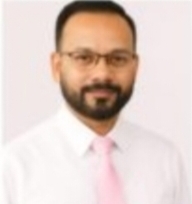

In the ongoing session of the United Nations General Assembly, one of the brightest lights of the new generation of women’s leadership representing Bangladesh was Dr. Tasnim Zara. At the high-level working session titled “Transforming Primary Healthcare — Bangladesh’s design,” organized under the leadership of Dr. Muhammad Yunus, her speech not only highlighted the weaknesses of Bangladesh’s healthcare system but also offered a strong roadmap for the future.
In her remarks, Tasnim Zara clearly drew the deep connections between primary healthcare (Primary Healthcare), human life, the safety of women and children, and the Sustainable Development Goals (SDGs). She emphasized that healthcare is not merely treatment—it is a matter of social justice and human dignity. In her voice resonated the sighs of the rural poor, the grievances of the urban underprivileged, and, at the same time, the promise of a new Bangladesh.
Notably, Tasnim Zara stressed the importance of local innovation, international partnerships, and technology-driven healthcare in her address. She stated—“A participatory healthcare model must be built centering on the people of Bangladesh, where the government, private institutions, and international partners will all work together.” This statement proves that she is not only a political leader but also a farsighted figure from professional and ethical perspectives.
Even more significant is that she made her position clear—this was her personal and professional participation, not a government-directed mission. Such transparency further strengthens her qualities of leadership.
Standing on a global stage like the United Nations, such a bold declaration from a Bangladeshi woman political leader is undoubtedly inspiring. Especially when she took a firm stance against hostility and political harassment toward women, it felt evident that the future leadership of Bangladesh is moving steadily toward justice, courage, and responsibility.
Dr. Tasnim Zara is not merely a political leader; she is a symbol—the symbol of Bangladeshi women, the new generation, and emerging leadership. Her voice at the United Nations has bestowed a new dignity upon the dreams of Bangladesh on the world stage.

সম্পাদক আল মাহদী; উপদেষ্টা সম্পাদক আল ফাতাহ হাবিবুল্লাহ
ঠিকানা : সাংবাদিক ভবন, বাসা নং ২২১/২২২ রোড়ঃ ৩৫ ব্লকঃ ট সেকশন নং- ৬ রূপনগর মিরপুর ঢাকা-১২১৬।