মঙ্গলবার, ১৩ অক্টোবর ২০২৬, ০৭:১২ পূর্বাহ্ন

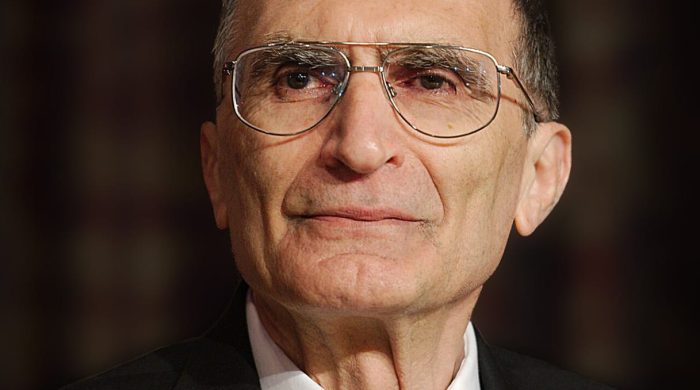

As science continues to open new frontiers in shaping the future of human civilization, the contributions of certain individuals transcend the boundaries of time and become immortal in history. One such scientist is the Turkish-American biochemist Aziz Sancar. His groundbreaking research on DNA Repair has not only strengthened the foundations of modern biology but has also elevated humanity’s understanding of cancer, aging, and hereditary diseases to an entirely new level.
Aziz Sancar was born on 8 September 1946 in Savur, Mardin Province, Türkiye. After completing his medical education, he pursued advanced studies in biochemistry in the United States and later devoted himself to research on the molecular mechanisms of DNA repair. He has served for many years as a professor at the University of North Carolina, where he has conducted pioneering scientific research.
The DNA in every cell of the human body is constantly damaged by ultraviolet radiation from the sun, chemical agents, and various environmental factors. If such damage were not repaired, normal cellular functions would be disrupted, leading to cancer and many other serious diseases. Through his research, Aziz Sancar demonstrated how specialized enzymes identify damaged DNA, repair it, and preserve the integrity of genetic information. This discovery has established a fundamental foundation for modern medicine and cancer research.
In recognition of this extraordinary contribution, Aziz Sancar, Tomas Lindahl, and Paul Modrich were jointly awarded the 2015 Nobel Prize in Chemistry. The Nobel Committee honored them for explaining the fundamental mechanisms by which living cells repair damaged DNA and maintain the stability of genetic information.
The life of Aziz Sancar is not merely the story of a Nobel Prize-winning scientist; it is a remarkable example of perseverance, hard work, and unwavering dedication to the pursuit of knowledge. Rising from a humble background, he achieved the highest recognition in world science. His success demonstrates that perseverance, academic freedom, and quality education are the greatest driving forces behind the development of human potential.
For young researchers across the Muslim world, Aziz Sancar stands as a shining source of inspiration. He has shown that religious identity and scientific excellence are not mutually exclusive. Rather, the pursuit of knowledge, service to humanity, and the search for truth are the defining qualities of a true scientist.
If the Muslim world is to experience a new renaissance in scientific research, the life, achievements, and values of scientists like Aziz Sancar must be presented more widely to the younger generation. Throughout the history of civilization, it has always been the nations that lead in the pursuit of knowledge that ultimately assume the mantle of leadership.

সম্পাদক আল মাহদী; উপদেষ্টা সম্পাদক আল ফাতাহ হাবিবুল্লাহ
ঠিকানা : সাংবাদিক ভবন, বাসা নং ২২১/২২২ রোড়ঃ ৩৫ ব্লকঃ ট সেকশন নং- ৬ রূপনগর মিরপুর ঢাকা-১২১৬।