মঙ্গলবার, ১৩ অক্টোবর ২০২৬, ০৭:১২ পূর্বাহ্ন

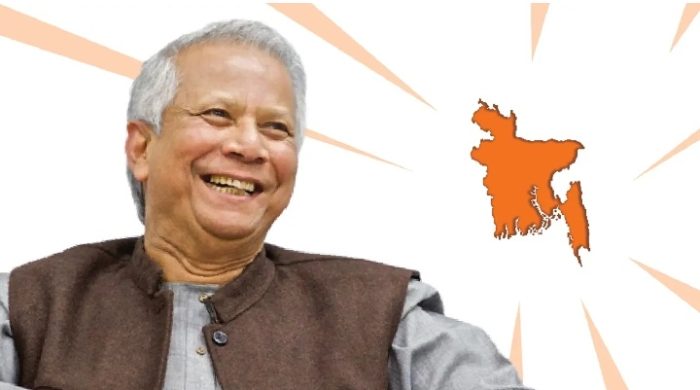

1. The Dr. Yunus Controversy:
Bangladesh’s interim Chief Adviser, Dr. Muhammad Yunus, is now at the center of intense debate in both domestic and international political circles. Critics allege that by taking the oath of office from President Md. Shahabuddin Chuppu—appointed by fascist Sheikh Hasina—he is not a bearer of the spirit of the mass uprising; rather, he is merely a “parasitic beneficiary” of the movement.
2. Deviation from the Uprising:
The July Charter, formulated after the July 2024 mass uprising, aimed at structural reforms of the state, the election of a Constituent Assembly, and the drafting of a new constitution. Through this charter, the revolutionary forces pledged to build a new Bangladesh.
However, critics argue that instead of fulfilling that pledge, the Chief Adviser announced a direct electoral roadmap—contradicting the core objectives of the July Charter. Reuters (5 August 2025) reported that even after a year, Yunus’s administration has made slow progress in political reforms, and by announcing the election roadmap, the pace of desired change has stalled (Reuters).
3. Historical Parallels:
Political analysts say this move mirrors the derailment of the revolution after the 1975 military coup. They argue that from the outset—by taking the oath from Chuppu—Dr. Yunus signaled a return to the old, mainstream style of politics, paving the way for the re-establishment of dynastic rule. In The Guardian (12 June 2025), Dr. Yunus stated, “People have lost trust in the government; our goal is to restore that trust”—yet many question his approach (The Guardian).
4. International Reactions:
The Atlantic Council (July 2025) stated in its analysis that while the July Declaration is historic, its implementation requires political unity; otherwise, it will remain merely symbolic. AP News (August 2025) warned that due to political polarization, religious influence, and deteriorating law and order, elections risk becoming nothing more than a formality (AP News). The Times (August 2025) added that the ongoing tensions surrounding Sheikh Hasina’s trial and the activities of Islamist parties could obstruct the unified execution of the July Charter (The Times).
5. Ownership and the Future of the July Charter:
Analysts argue that Dr. Yunus has no right to sign the July Charter; therefore, it must be presented directly by the vanguard of the national mass uprising. In their view, there is no alternative. If the student masses fail to present the July Charter without Dr. Yunus, then—just as in 1975 and 1990—the 2024 mass uprising will disappear from the pages of history.r


সম্পাদক আল মাহদী; উপদেষ্টা সম্পাদক আল ফাতাহ হাবিবুল্লাহ
ঠিকানা : সাংবাদিক ভবন, বাসা নং ২২১/২২২ রোড়ঃ ৩৫ ব্লকঃ ট সেকশন নং- ৬ রূপনগর মিরপুর ঢাকা-১২১৬।