মঙ্গলবার, ১৩ অক্টোবর ২০২৬, ১২:১৩ অপরাহ্ন


—A Heart-Rending Plea, a Blood-Soaked Appeal of a Nation
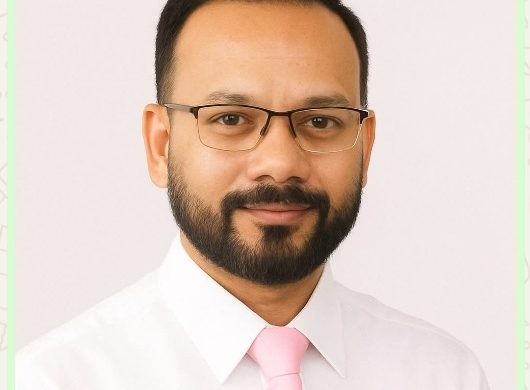
As the winter’s last-hour breeze melted the sunlight into the dimming twilight, a sigh seemed to rise—of a nation that cannot wash away the bloodstains of July, cannot forget them. Entangled with that sigh was the grief-soaked plea of Professor M A Barnik, President of the Knowledge-Based Social Movement. His statement felt as though it was not written on paper—but inscribed upon the blood of the July martyrs, each sentence echoing like a wail rising from the depths of their graves.
He said—
The negligence shown toward the July Uprising in the July National Charter is a dark mark of humiliation for the nation. As if someone threw a handful of dust at the chest of history and declared, “Your blood has no value!”
The July fighters, who tore open their chests to usher in a new air of freedom, have still not been honored with the title of ‘National Hero’. They remain mere names blown away in the winds of historical pages—is this what they deserve? Was their blood not human blood? Were their dreams not human dreams?
Standing upon the river of blood on which the interim government led by Dr. Muhammad Yunus is arranging the election today, not even the slightest bow of respect has been shown to that blood—this is Barnik’s blazing agony. His voice trembled, as though within every word a martyr’s mother silently cried out.
He said—
“After the election, no government will do this. Once the blood of August–July dries, no one will remember those names. That is why before the election—yes, right now—the Gazette declaring the July martyrs and fighters as National Heroes must be published.”
This demand is not a political slogan; it is the collective plea of a nation. The outcry of a wounded generation standing under the sun. In Barnik’s words—
“To push those who brought a new sun with their own lives into the darkness of non-recognition is to carve an eternal scar upon the very existence of the nation.”
Those who lay on the streets on the nights of July were covered in the cries of mothers, the silent emptiness of fathers’ eyes, the unspoken tears of their children. Those tears still linger in the air—invisible yet piercing. Like dew forming in the smoke of dawn, unseen yet chilling to the heart.
But has the State heard those tears?
Has the State smelled the torn clothes of the July martyrs?
Has the State ever sought to know what dreams they saw in the final moments when their last breath was taken away?
And thus Barnik’s appeal is no longer an appeal—it is an obituary, a last letter before death. He seems to be saying—
“Publish the Gazette. Do not delay. History forgives, but blood does not.”
If recognition still does not come, will the souls of the July martyrs ever find peace?
Will their mothers ever be able to repay the debt of their tears?
Will this nation ever be able to stand tall again?
The weight of the final line of the statement makes the world pause for a moment—
“Give the heroism of the July martyrs a place in the Gazette—or history will record our failure in black letters from which future generations will turn away in shame.”
—

সম্পাদক আল মাহদী; উপদেষ্টা সম্পাদক আল ফাতাহ হাবিবুল্লাহ
ঠিকানা : সাংবাদিক ভবন, বাসা নং ২২১/২২২ রোড়ঃ ৩৫ ব্লকঃ ট সেকশন নং- ৬ রূপনগর মিরপুর ঢাকা-১২১৬।