মঙ্গলবার, ১৩ অক্টোবর ২০২৬, ১১:৩১ পূর্বাহ্ন


1. In the Grip of an Invisible Force:
Like a story, one day the television channels of Bangladesh seemed to become entangled in a strange war. On one side stood politics; on the other stood the distinct identity of the news media. And from the fusion of these two emerged an extraordinary drama, within which TV channels turned into instruments of power. Some were saying, “What kind of news is this?” Others were saying, “This is nothing but party propaganda!” And still others were saying, “So many channels, yet only one story!”
2. First Chapter: News Media at the Mercy of Politics:
Since Tarique Rahman’s return to the country, Bangladesh’s TV channels seem to have fallen into the grip of an invisible force. Domestic television channels, which once spoke of responsibility and credibility toward journalism, have now become almost mono-centric. Quite a few channels have crossed the narrow boundaries of the election code of conduct and neutral news coverage, and are directly engrossed in campaigning in favor of a particular political side.
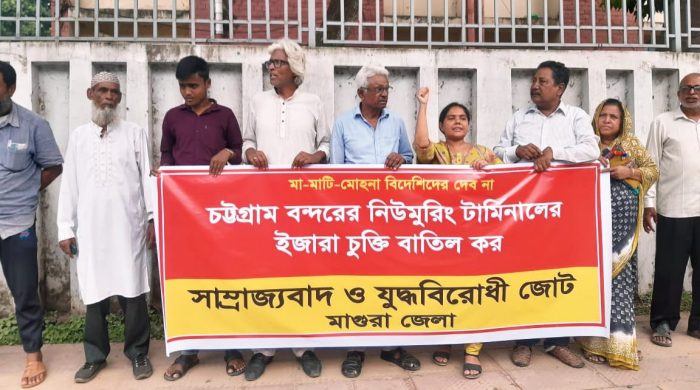
The Election Commission or any government agency appears to be silent on this matter. At a time when the nation is stirred by various protests across the country demanding media freedom, those voices dissolve into the air. The authorities of the channels seem to be staging an invisible political spectacle inside their own newsrooms!
3. Second Chapter: Fragmentation of the Media:
Current news coverage now resembles scenes from a faded film. On one side, relentless promotion of one party; on the other, criticism of another party. In such a situation, any ordinary viewer can easily grasp which channel is working with which party. Often, when turning on the television, it feels as though news is not being broadcast; rather, a stage is being prepared to motivate party supporters.
True journalism—which ensures the public’s right to information—seems to be drifting away like the wind. The distinction and sense of purpose between news and information have been lost. Genuine news is being used as a tool to fulfill political objectives.
4. Third Chapter: Public Reaction:
And this situation has generated a degree of irritation among the public. Many people turn on the TV and become alarmed by the news, saying, “This is no longer news; this is staged drama!” Consequently, they are switching off their televisions one by one. Over time, TV channels are becoming even more one-sided, and ordinary people are strongly protesting against this through their rebelliousu attitudes.
Another reality among the public is that if they need any truthful news, they search for it through social media or online portals, where some degree of neutrality still exists. But if those platforms also come under the surveillance of political factions, then they do not know where to turn.
5. Fourth Chapter: The Absence of Responsible Journalism:
Now, if an end to this situation is desired, the only path is responsible journalism; journalism that presents accurate information to the public, without bias toward any political side, and remains neutral. Journalism that conveys the country’s real conditions, its limitations, its possibilities, and the voice of the people, especially by respecting the opinions of ordinary citizens.
Such journalism would enable the media to fulfill its duties under constructive, fair, and critical standards, rather than serving merely as a propaganda tool of the government or political parties.
Conclusion: The Future of TV Channels:
This moment is a milestone for us. If TV channels fail to uphold trust and responsibility as news media, the public will very soon lose confidence in them. And if the news media cannot genuinely operate neutrally and correctly in the eyes of the people, then their future will be even darker. Delivering accurate information to the public, and stepping outside political pressure—this is the core challenge.
Now the question is—when will that time come, when the news media will prioritize their responsibility and truthfulness and follow the right path; perhaps time itself will give the answer.

সম্পাদক আল মাহদী; উপদেষ্টা সম্পাদক আল ফাতাহ হাবিবুল্লাহ
ঠিকানা : সাংবাদিক ভবন, বাসা নং ২২১/২২২ রোড়ঃ ৩৫ ব্লকঃ ট সেকশন নং- ৬ রূপনগর মিরপুর ঢাকা-১২১৬।