মঙ্গলবার, ১৩ অক্টোবর ২০২৬, ০৭:৫৭ পূর্বাহ্ন

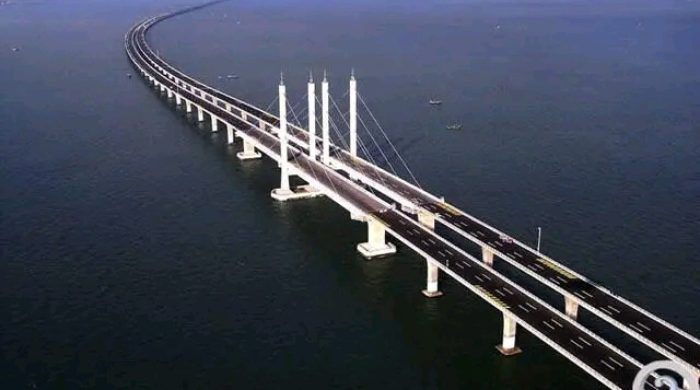

The proposed Bhola–Barishal Bridge is not merely a bridge connecting two districts; it is a transformative infrastructure project aimed at ending the longstanding geographical isolation of Bangladesh’s southern region and opening the door to new economic opportunities. Once completed, the bridge will usher in a new era of direct connectivity between Bhola Island, Barishal, and the country’s main road network.
According to information from the Bangladesh Bridge Authority, there are plans to construct bridges over the Kalabadar and Tetulia rivers along the Barishal–Bhola road. The project will have a total road and bridge length of approximately 16.367 kilometers, including about 10.867 kilometers of bridges. The estimated cost of this massive four-lane project is approximately BDT 17,466 crore.
Connecting Isolated Bhola with the Mainland
Bhola is the largest island district in Bangladesh. Surrounded by rivers, its people have long been dependent on ferries and waterways for transportation. During the monsoon, dense fog, or severe weather, this system of communication is frequently disrupted. A permanent road connection could bring significant positive changes to the lives of the people of Bhola in terms of travel time, safety, and overall quality of life.
Once the bridge is constructed, patients, students, professionals, businesspeople, and ordinary travelers will have faster and uninterrupted access to Barishal, Dhaka, and other parts of the country. Bhola will no longer remain merely an isolated island district; rather, it will become more closely integrated with the national economy.
A New Economic Momentum for Bhola
Bhola is a promising region with considerable potential in agriculture, fisheries, livestock, and natural resources. With rapid road connectivity, agricultural products, fish, and other locally produced goods can reach major markets across the country much more quickly. This will not only reduce transportation costs but also increase producers’ opportunities to receive fair prices.
Bhola’s prospects for industrialization and investment will also gain a new dimension. Improved transportation infrastructure generally accelerates the development of new industries, warehouses, markets, tourism, and service sectors. As a result, significant opportunities will emerge for local employment and the expansion of economic activities.
Potential for Energy and the National Economy
Bhola is known for important energy resources, including natural gas. The establishment of improved transportation infrastructure could facilitate the utilization of these resources and make related investments more accessible. In recent discussions, the development of national connectivity with Bhola and the potential for improved gas supply have also received attention.
Encouraging Progress by the Government
The feasibility study for the project has been completed, and the project is being considered a high-priority initiative of the government. In 2026, there have been reports of policy-level progress toward implementing the project under a Public–Private Partnership (PPP) framework, while discussions regarding foreign participation are also underway. A Japanese construction company has reportedly expressed interest in the project.
Meanwhile, the government has also approved a new highway plan aimed at connecting Bhola with the national road network, including Barishal and Dhaka. This demonstrates that the development of Bhola’s transportation system is now being viewed not as an isolated project, but as part of an integrated national connectivity strategy.
Conclusion: The Bridge Means a New Bhola
Once the Bhola–Barishal Bridge is constructed, it will not merely connect two banks of rivers—it will connect people’s dreams with markets and production; educational and healthcare opportunities with accessibility; and the capital with the country’s peripheral communities.
A bridge will reduce Bhola’s geographical distance, but more importantly, it will reduce the economic, social, and psychological distance between the people of Bhola and the rest of the country.
Following the Padma Bridge, the Bhola–Barishal Bridge could become another historic milestone in the development of connectivity and economic progress in Bangladesh’s southern region. If implemented on schedule, this bridge will not only transform Bhola but also inject new momentum into the development journey of Barishal Division, the southern region, and Bangladesh as a whole.
The Bottom Line
Constructing the Bhola–Barishal Bridge means more than building a piece of infrastructure—it represents a historic initiative to transform isolation into connectivity, potential into production, and dreams into tangible development.

সম্পাদক আল মাহদী; উপদেষ্টা সম্পাদক আল ফাতাহ হাবিবুল্লাহ
ঠিকানা : সাংবাদিক ভবন, বাসা নং ২২১/২২২ রোড়ঃ ৩৫ ব্লকঃ ট সেকশন নং- ৬ রূপনগর মিরপুর ঢাকা-১২১৬।