মঙ্গলবার, ১৩ অক্টোবর ২০২৬, ০৫:৫২ পূর্বাহ্ন


*1. The New Government’s First Meeting with Its Alliance Partners*
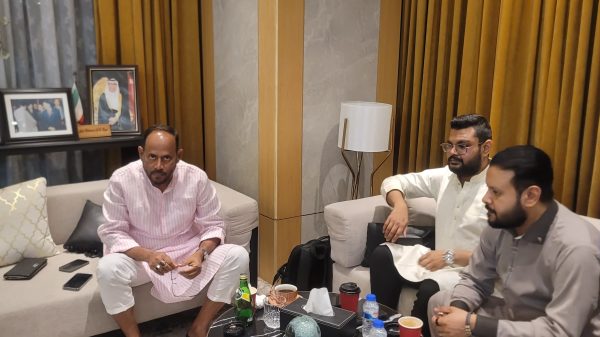
On 20 July, at the State Guest House Jamuna, Prime Minister and BNP Chairman Tarique Rahman held a meeting with the leaders of 41 political parties that had been allied with the BNP-led movement. This was the first formal political dialogue with the alliance partners since the new government assumed office.
The meeting took place at a time when dissatisfaction among the alliance partners had been growing over issues such as their role in the government, political recognition, and their perceived exclusion from decision-making processes.
*2. Key Outcomes of the Meeting*
Following the meeting, the government and the BNP conveyed several important messages:
(1). They reaffirmed their commitment to implementing the July Charter.
(2). They pledged to implement the BNP’s 31-Point Reform Agenda.
(3). They assured the alliance partners that regular consultations and coordination would continue in the future.
(4). They acknowledged the contributions of the movement’s partners in the formation and governance of the new administration.
*3. What Were the Alliance Partners Expecting?*
Prior to the meeting, leaders of various allied parties emphasized several key expectations:
(1). Fulfilment of the political commitments made before the election.
(2). Meaningful representation in the government.
(3). Participation in policymaking and decision-making.
(4). Fair seat-sharing arrangements and recognition of their political standing.
*4. What Was the Actual Outcome?*
From a political analysis perspective, the meeting did not produce any immediate structural or institutional decisions. Rather, it was primarily an effort to rebuild trust among the coalition partners.
Its positive aspects include:
(1). Opening a new channel of communication between the government and its allies.
(2). Indicating that the government recognizes the concerns and grievances of its partners.
(3). Promising greater coordination and consultation in the future.
*5. The Limitations Were Also Evident*
Several important issues remained unresolved:
(1). No new power-sharing arrangements within the government were announced.
(2). No decisions were made regarding seat allocation or the distribution of political authority.
(3). No specific timetable or roadmap was presented to address the concerns raised by the alliance partners.
*6. Political Significance of the Meeting*
The meeting carries significant political implications for the BNP. It reflects the government’s realization that maintaining the unity forged during the movement requires more than symbolic gestures of goodwill—it demands genuine political partnership and inclusion.
At the same time, the alliance partners have, for now, chosen dialogue over confrontation, indicating their willingness to give the consultation process an opportunity.
*7. A Path Toward Rebuilding Relations*
The 20 July meeting may be regarded as the first step toward rebuilding relations between the government and its alliance partners. However, its ultimate success will depend on the actions that follow.
If the government ensures meaningful political participation for its allies, engages them in policymaking, and makes visible progress in implementing the promised reforms, this meeting could become the foundation of a renewed political partnership. Conversely, if these commitments remain unfulfilled, the meeting is likely to be remembered merely as a ceremonial courtesy call rather than a turning point in coalition politics.

সম্পাদক আল মাহদী; উপদেষ্টা সম্পাদক আল ফাতাহ হাবিবুল্লাহ
ঠিকানা : সাংবাদিক ভবন, বাসা নং ২২১/২২২ রোড়ঃ ৩৫ ব্লকঃ ট সেকশন নং- ৬ রূপনগর মিরপুর ঢাকা-১২১৬।