মঙ্গলবার, ১৩ অক্টোবর ২০২৬, ০৭:৩৭ পূর্বাহ্ন


1. Introduction:
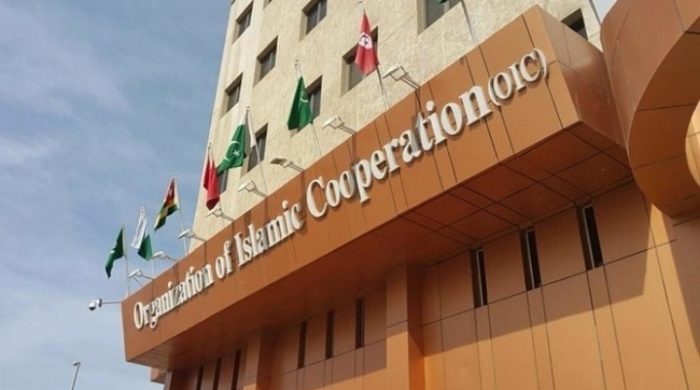
In the context of changing geopolitics and multifaceted crises on the international stage, the unity and security of the Muslim Ummah have become the foremost demand of the time. The proposal to establish a coordinated defense system to tackle global power competition, expansionist ambitions, and the various conflicts in the Muslim world has long been discussed. In particular, the formation of an effective Islamic Defense Alliance under the OIC (Organization of Islamic Cooperation) would enable Muslim countries not only to ensure their own security but also to contribute positively to global stability.
2. Security Challenges in the Muslim World:
Currently, Muslims in many regions—including Palestine, Kashmir, Yemen, Sudan, Syria, and Libya—face military aggression, political instability, and humanitarian crises. In these cases, Muslim countries often respond individually, resulting in ineffective defense. The establishment of a coordinated defense alliance would allow these crises to be addressed more effectively through combined military strength and strategic planning.
3. Necessity of Modern Defense Systems:
Most Muslim countries have comparatively weak defense technology and military capabilities. In many instances, they must rely on external powers, which poses significant security risks. The formation of a defense alliance would enable joint research, investment in the military industry, cyber security and drone technology development, and overall advancement of modern defense systems.
4. Enhancement of Diplomatic and Geopolitical Power:
An effective defense alliance would play a strong role not only in the military domain but also diplomatically. The collective voice of the 57 Muslim countries would be reflected more strongly on the international stage. Consequently, Muslim countries’ bargaining power in global diplomacy would increase.
5. Economic Potential and Cooperation:
Many Muslim countries are rich in energy, natural resources, and human capital. Through the defense alliance, initiatives for joint funding and technological investment would accelerate not only defense but also industrialization and economic growth. Simultaneously, dependency on external arms purchases would decrease, fostering self-reliance.
6. Roadmap for Implementation:
Formation of a permanent Defense Council under the OIC.
Joint military exercises, intelligence sharing, and strategic planning among member states.
Establishment of regional rapid response forces capable of immediate action during crises.
Creation of joint research institutions and training centers in the defense sector.
Formation of a common defense budget, to which member states would contribute specific financial and material resources.
7. Within the Framework of the United Nations and International Law:
The proposed alliance can be formed and operationalized in accordance with the UN framework and international law.
UN provisions: According to Article 51 of the Charter of the United Nations, every state has the right to self-defense. That is, states have the internationally recognized right to defend themselves collectively in case of an attack.
Peacekeeping and regional agreements: Under Article 52, states may enter into regional security agreements, which are valid and effective with UN approval.
Legal framework for conflict resolution: The peacekeeping forces of the Islamic Defense Alliance would be deployed only with the consent of member states and in compliance with international human rights law, aligning with the UN peacekeeping framework.
8. Contribution to Global Peace and Stability:
This alliance would not only ensure the security of the Muslim world but also contribute to global peace and justice. It would enhance the role of Muslim countries in conflict mediation, humanitarian assistance, and peacekeeping missions.
9. Conclusion:
The Muslim Ummah has long remained divided and weak. In the current global reality, an Islamic Defense Alliance is not merely a demand of the time but an essential condition for protecting the Ummah’s existence and dignity. Effective action under the leadership of the OIC would elevate the security, economy, and diplomatic standing of the Muslim world to a new level, fully compliant with the UN framework and international law.

সম্পাদক আল মাহদী; উপদেষ্টা সম্পাদক আল ফাতাহ হাবিবুল্লাহ
ঠিকানা : সাংবাদিক ভবন, বাসা নং ২২১/২২২ রোড়ঃ ৩৫ ব্লকঃ ট সেকশন নং- ৬ রূপনগর মিরপুর ঢাকা-১২১৬।