মঙ্গলবার, ১৩ অক্টোবর ২০২৬, ০৬:৩৭ পূর্বাহ্ন

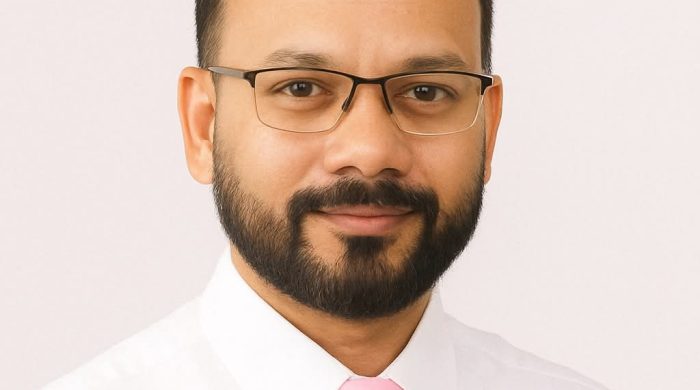

*If Ad-Din Closes, Who Will Care for Hundreds of Children Under Treatment?*
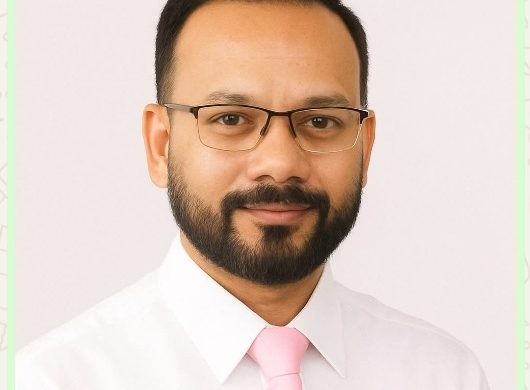
—Professor M. A. Barnik
In the final hours of the night, when anxiety walks silently through the corridors of a hospital, the most helpless sound in the world becomes the cry of a child. That cry is not merely a sound of pain; it is the echo of a storm gathering inside a mother’s heart, the weight of a mountain descending upon a father’s shoulders, and the desperate plea of a final battle between life and death.
The recent tragic incident at Ad-Din Hospital, which claimed the lives of six children, has plunged the nation into grief. The death of every child is the death of a possibility, the shattering of a family’s dream, and the premature ending of a future. No language, no statistics, and no administrative explanation can ever fill that void.
Yet, when decisions are made in the heat of grief, conscience must accompany emotion.
The question is: if an entire hospital is shut down because of a tragic accident, who will take responsibility for the lives and treatment of the hundreds of children currently receiving care there?
What will become of the child fighting for life inside an incubator, the newborn clinging to a future through an oxygen tube, or the mother who sits beside a hospital bed every day, placing her hand on her child’s forehead and whispering prayers?
A hospital is not merely a structure made of bricks, sand, and cement. For many people, it is the last refuge of hope. For sick children, a hospital often represents a second chance at life. If those doors are suddenly closed, countless families may find themselves facing a new humanitarian crisis.
Sociologists argue that responsibility for institutional failures must be determined based on individual actions, management shortcomings, and policy failures. Bringing those responsible to justice is an essential requirement of fairness. At the same time, safeguarding the lives of innocent patients is one of the state’s fundamental obligations.
This raises an important question.
Over the past several decades, numerous children have lost their lives in various government hospitals across Bangladesh due to medical negligence, infections, fires, oxygen shortages, and other causes. If every hospital involved in such incidents had been permanently closed, how much of the country’s healthcare system would still remain functional today?
When a skilled surgeon makes a mistake during an operation, is the entire science of medicine banned?
When an accident occurs on a bridge, is the entire road network shut down?
When someone suffers from a headache, is the solution to cut off the head?
The history of human civilization teaches us that mistakes can and should be punished; however, the destruction of life-saving institutions is never the solution. The solution lies in reform, accountability, stronger safety measures, and justice for those responsible.
Today, two issues must be addressed simultaneously.
First, full justice must be ensured for the families of the six children who lost their lives.
Second, uninterrupted treatment must continue for the hundreds of children currently receiving care.
For just as the death of one child is a loss for the nation, the death of another child due to a lack of medical care would be an equally devastating humanitarian tragedy.
The responsibility of the state is not only to identify and punish the guilty; it is also to protect those who are still alive.
Today, the tears of grieving mothers are questioning our conscience. At the same time, the sick children lying silently in hospital beds seem to be asking, “Will our treatment be stopped?”
Both questions must be answered together.
We demand justice, but not a new disaster in the name of retribution.
We demand punishment for those responsible, but not at the cost of denying innocent children access to medical care.
For the noblest expression of humanity is not only to mourn a life that has been lost, but also to strive to save the lives that still remain.
Just as the soil covering a child’s grave brings tears to our eyes, the breath of a sick child lying in a hospital bed reminds us of our responsibility.
Therefore, the issue today is not merely about a hospital. It is about humanity, justice, and the moral responsibility of the state.
A nation that mourns its dead children must also fight for the children who are still alive. That is the path of civilization. That is the true demand of humanity.

সম্পাদক আল মাহদী; উপদেষ্টা সম্পাদক আল ফাতাহ হাবিবুল্লাহ
ঠিকানা : সাংবাদিক ভবন, বাসা নং ২২১/২২২ রোড়ঃ ৩৫ ব্লকঃ ট সেকশন নং- ৬ রূপনগর মিরপুর ঢাকা-১২১৬।